Holden Caulfield, Lorde, and the Universal Fear of Growing Up
It’s no secret that Holden Caulfield is scared of growing up. As someone who hates phonies and facing the reality of his future after throwing his present away, Holden wants to stay in his idealized, innocent, version of life forever. Though written in the 1940’s/50’s, Holden’s coming of age and fears in adolescence resonate with many teenagers everywhere, staying timeless in its ideas and themes of alienation from society.
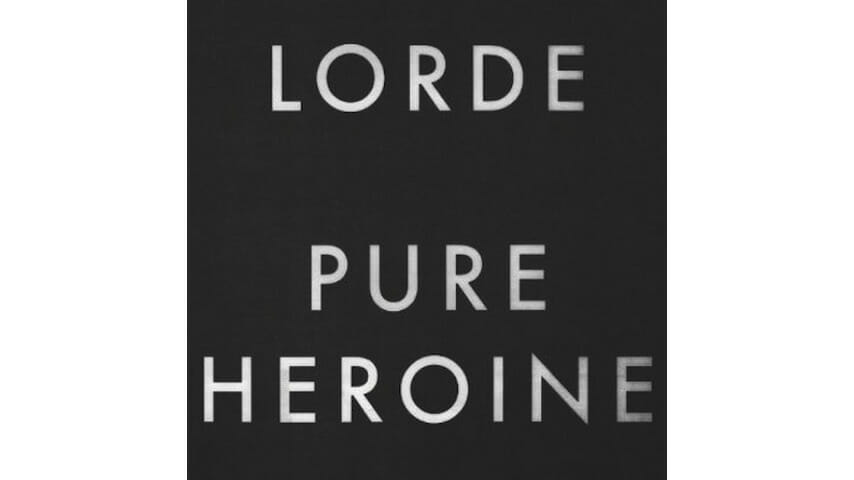
With that said, one of the only things I couldn’t stop thinking about was how similar Holden’s narrative felt to one of my favorite albums from New Zealand artist Lorde: Pure Heroine.
Pure Heroine, a coming of age album released by Lorde when she was 16, also echoes the same themes of social anxiety, adolescent angst, and critiques against consumerism and phonies in current society that Holden constantly complains about in "The Catcher in the Rye". One of the major themes of both mediums is wishing time would stay stuck in place. In Pure Heroine, the song “400 Lux” idealizes about a tender romance in the suburbs where “the houses don’t change” and where they “can talk like there’s something to say”.
The ending lyric of the song is Lorde gently asking him (the other person in this romance) to stay.
It’s a plea to the person she is writing this song about, a person that understands her, a person that she can talk about meaningful things with. It’s a song about Lorde wishing time was endless and for more time with someone who truly understands her, where everything feels peaceful and their relationship can live forever. Lorde idealizes a simple life, where the best thing would be for nothing to change.
Now we have Holden Caulfield, who also idealizes this simple life where nothing would change. One of the best representations of this longing is his fascination with the Museum of Natural History. As one of Holden’s comfort places, he seems to love how everything in the museum remain frozen in time, untouched by change. When he starts describing how the museum's interior and smell hasn’t changed since he was a kid, he finishes his reminiscing with the realization that “The best thing, though, in that museum was that everything always stayed right where it was. Nobody’d move… Nobody’s be different.The only thing that would be different would be you” (135). Holden’s favorite thing about the museum isn't an exhibit, or a memory with his family or friends that made it special, it was that it never changed. I think one could argue that Holden’s struggle with change is synonymous with his resentment with the adult world and the phonies that reside in it. Though he is attracted to the idea of independence, drinking, sex, and ideas that revolves around adulthood, he ultimately hates the compromises that come with being an adult – that loss of innocence, confronting the fact that the world keeps spinning even if he doesn’t want it to.
Another one of Lorde’s songs: “Ribs” perfectly manifests this idea as well. The song, known to her fans as an ode to nostalgia, has the same feelings of fear about the future intertwined with a fondness of the past and adolescent innocence. In the song, Lorde sings that
“This dream isn’t feeling sweet
We're reeling through the midnight streets.
And I’ve never felt more alone
It feels so scary getting old”
The song captures the bittersweet realization that childhood is slipping away, and with it the simplicity that once felt endless. Like Holden Caulfield, Lorde realizes the reality of her dreams of adulthood and echoes the same loneliness Holden feels about growing up.
Personally, I think it’s really interesting that these fears of adulthood are present everywhere whether from a classic written from the 1950’s or an album written almost 60 years later. It’s clear that the idea of growing up is a universal scare for all teenagers, and I think the timeliness of both “The Catcher in the Rye” and Pure Heroine attests to how deeply this fear resonates across past and future generations.
Nice post, Heidi! Pure Heroine is one of my favorite albums ever, and I really like how you connected it to The Catcher in the Rye. The fear of growing up is such a universal thing, and it's so interesting to see how it's present in teenagers throughout history. I think this challenge of coming of age is so timeless, and is part of the reason for why the album and book are so famous and still relevant to this day. Good job!
ReplyDeleteConnecting this novel to a Lorde album is something I never would've thought of but I think that there are a lot of interesting similarities. I thought the part about childhood slipping away was particularly interesting and a cool observation. Great post!
ReplyDeleteI don't think there can be another blog that is as unique as this one. At first when I read the title I was confused about any connection Lorde has to the Catcher in the Rye, but you 100% made it work! I really like how you highlighted Lorde's distaste for growing up and relating it to Holden, almost as if Lorde IS the person that Holden has been looking for that relates to his issues with the impending adulthood. Great blog!
ReplyDeleteConnecting a near century old novel to a more modern album was super impressive. The fact that you were able to do it so effectively speaks to how universal the themes of growing up really are. I like how you were able to find echoes of Holden's feelings in Lorde's lyrics.
ReplyDeleteThis is such an interesting and compelling comparison, and I like the idea of this album created by a sixteen-year-old (Holden's age in the novel!) as a real-time coming-of-age artistic document. You also lead me to a thought I've had over the years, contemplating Holden and his dilemma. He's living in a world that is VASTLY different, in terms of popular culture, than we are: rock-n-roll hasn't even arrived yet, let alone the consequent explosion of creativity into all the subgenres of rock and eventually hip-hop that would actually feature MANY artists singing and rapping about the kinds of things that scare and bewilder Holden. But all he has are Benny Goodman-style jazz combos playing dance music, like Ernie the "show-off" and his band. There is no "indie" culture of any kind--movies are pretty much all Hollywood mainstream, and music is generally pop and made for dancing (with the apparent exception of Estelle Fletcher's "Little Shirley Beans"). Clearly, Lorde and artists like her are operating in Holden Caulfield's wake, but it's also another reminder of how utterly isolated he feels--none of his anxieties seem to be reflected back at him in the culture. If he were coming of age today, he would have a wide range of media to give him that spiritual companionship. There is a flipside to this shift in culture, of course: Holden will feel less unique and special, and he might develop a whole new angst about the ways in which his individual suffering is just another teenage cliche.
ReplyDeleteThis was such a creative comparison! I like how you connected Holden’s fear of growing up with the themes in Pure Heroine. The parallels between Lorde’s lyrics and Holden’s thoughts really highlight how timeless the fear of change and loss of innocence is for teenagers. It’s interesting to see how these themes continue across different eras, proving that coming-of-age struggles remain universal.
ReplyDeleteHi Heidi! I love Lorde so I was so excited to read this post you did not disappoint. Your analysis of Lorde’s lyrics and Holden’s thoughts in the book and the clear ties between them when relating them with time and growing up with the presentation of new mature ideals and the societal pressure to conform to these standards. I think as well as song lyrics, you point out how they are perceived by the people around them as people have criticisms of society and pour them out in their own unique ways. Great post!
ReplyDelete